Crop risk keeps arriving too late. Here is how field-level intelligence changes decision making.
A closer look at Treefera Agricultural Risk Intelligence and Agricultural Credit Risk Intelligence, and the science underneath them.
If you work in commercial seed, crop science or agricultural lending, the hardest part is rarely recognising that crop risk exists. It is acting on it early enough, and at a fine enough resolution, to change the outcome. A strengthening El Niño is only tightening those decision windows further.
Agricultural Risk Intelligence and Agricultural Credit Risk Intelligence are built to close that gap. This post goes deeper than today's press release announcement, with more detail on what each product delivers, how the science works and where each is live today.
The problem with the data most decisions still rely on
Most agricultural risk decisions are still made on data that carries three structural limitations.
- Timing. Much of it is compiled from surveys completed after conditions have already resolved. By the time it lands, the season it describes is effectively over.
- Resolution. It is averaged across geographies far too broad to reflect the farm-level variation that actually determines risk. A regional average can look benign while individual fields inside it fail.
- Crop and stage blindness. Public seasonal forecasts rarely differentiate by crop type, and they do not account for where a crop sits in its development cycle when stress occurs.
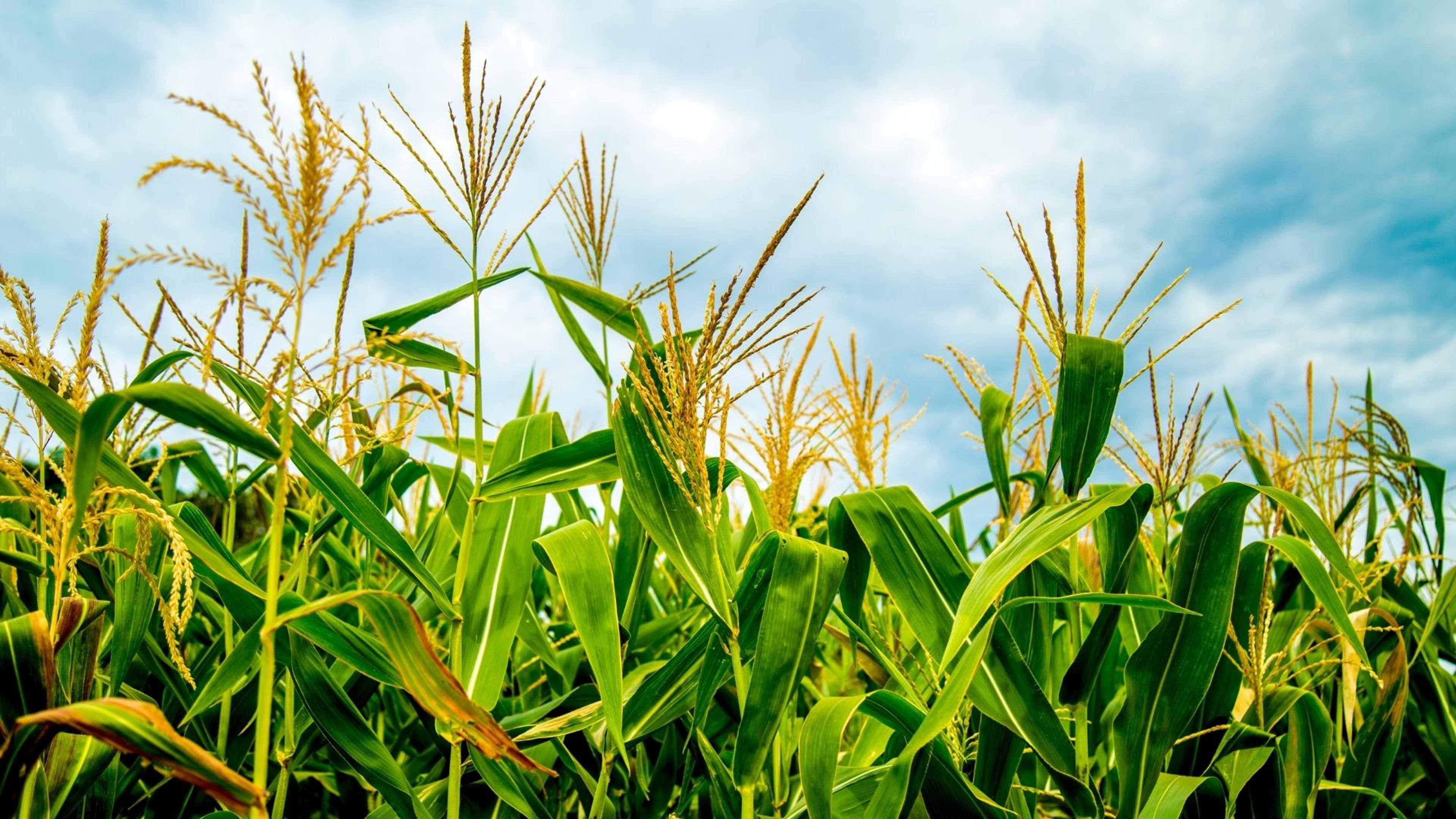
That last point matters most. In corn, heat during early vegetative growth and heat at pollination are not the same event: stress at pollination has a far greater consequence for final yield. A forecast that cannot tell the two apart is too conservative when little is at stake and not precise enough during the windows that decide the harvest.
The science: crop-specific, phenologically weighted, at field scale
Treefera applies advanced AI and scientific crop models to continuous satellite observation. Two design choices set the output apart.
First, each crop is processed as a distinct satellite signal rather than aggregated across all vegetation types, so the read reflects the crop that matters instead of a blurred average of everything around it.
Second, the models are phenologically weighted: calibrated to the biological stages of each crop, from emergence through flowering and grain fill, and weighted by how much weather stress at each stage matters for yield. The result is crop-specific evidence grounded in biological reality rather than generic seasonal conditions, delivered at field scale and in near real time, ahead of official sources.
Agricultural Risk Intelligence: field-level crop stress intelligence across the growing season
Agricultural Risk Intelligence is built for commercial seed and crop science companies whose decisions lock in variety volumes and geographies seasons ahead of harvest. It delivers clear, calibrated evidence of crop stress for every crop and location across the full growing season, from planning before planting to checking results after harvest.
Rather than collapsing everything into a single composite risk score, the product returns two independent signals so users can see what is actually driving the read:
- A phenology timing verdict tracks whether a crop's biological calendar is running ahead of or behind its typical window for that location. It shows whether the season itself is early, late or on track.
- A weather stress verdict scores calibrated exposure by peril at biological-window resolution, weighted toward the growth stages at which yield outcomes are determined. It shows how much the weather actually threatens yield, and when.
Keeping the two separate matters for action. A crop can be on schedule but under acute stress, or delayed in otherwise benign conditions. A single blended label hides that distinction; two signals do not.
For commercial seed companies, this changes the core allocation question: instead of placing varieties based on where the season has been, they can place the right varieties in the right geographies based on where the season is heading, with enough lead time to still act.
Availability. Agricultural Risk Intelligence is live today for corn across Kenya, Tanzania and Zambia, three of the most consequential markets for smallholder seed allocation. US Midwest corn and soybean coverage is in development.
Agricultural Credit Risk Intelligence: near real-time evidence for farm credit decisions
Agricultural Credit Risk Intelligence gives lenders field-level evidence on borrowers across the full lending lifecycle, from origination through renewal to ongoing monitoring. Critically, it surfaces intelligence that does not already exist in credit files or self-reported borrower data.
The product provides:
- Farm-level yield distributions and satellite-derived production area history, so lenders can see how a borrower's actual fields have performed over time rather than inferring performance from regional proxies.
- Driver attribution, which explains the agronomic mechanism behind each forecast. Credit officers see not only a risk output but the evidence behind it, in plain terms that stand up to credit committee review and regulatory disclosure.
The difference is resolution. Most credit risk tools depend on county-level averages; Treefera produces farm-level outputs, at the scale where the loan is actually secured. That means lenders can assess and monitor crop risk before it appears in the credit file, and evidence decisions along the way.
Availability. Agricultural Credit Risk Intelligence is live with US financial institutions and expanding internationally with global banks.
What changes when risk is visible at field scale
The shift is one of precision. With field-level insight, the question is not whether a region is under stress, but what a specific weather event will do to a specific crop at the precise moment in its growing cycle. The constraint was never awareness of the risk. It was the ability to act on it at the right scale, speed and resolution.
Working with Treefera
Both products are available now. To see the evidence for your own crops, geographies or lending book, contact the Treefera team to discuss.
Insights
Recent News