Thought Leadership
Why First-Mile Visibility is Key to Securing Soft Commodities Supply Chains
17 March 2026
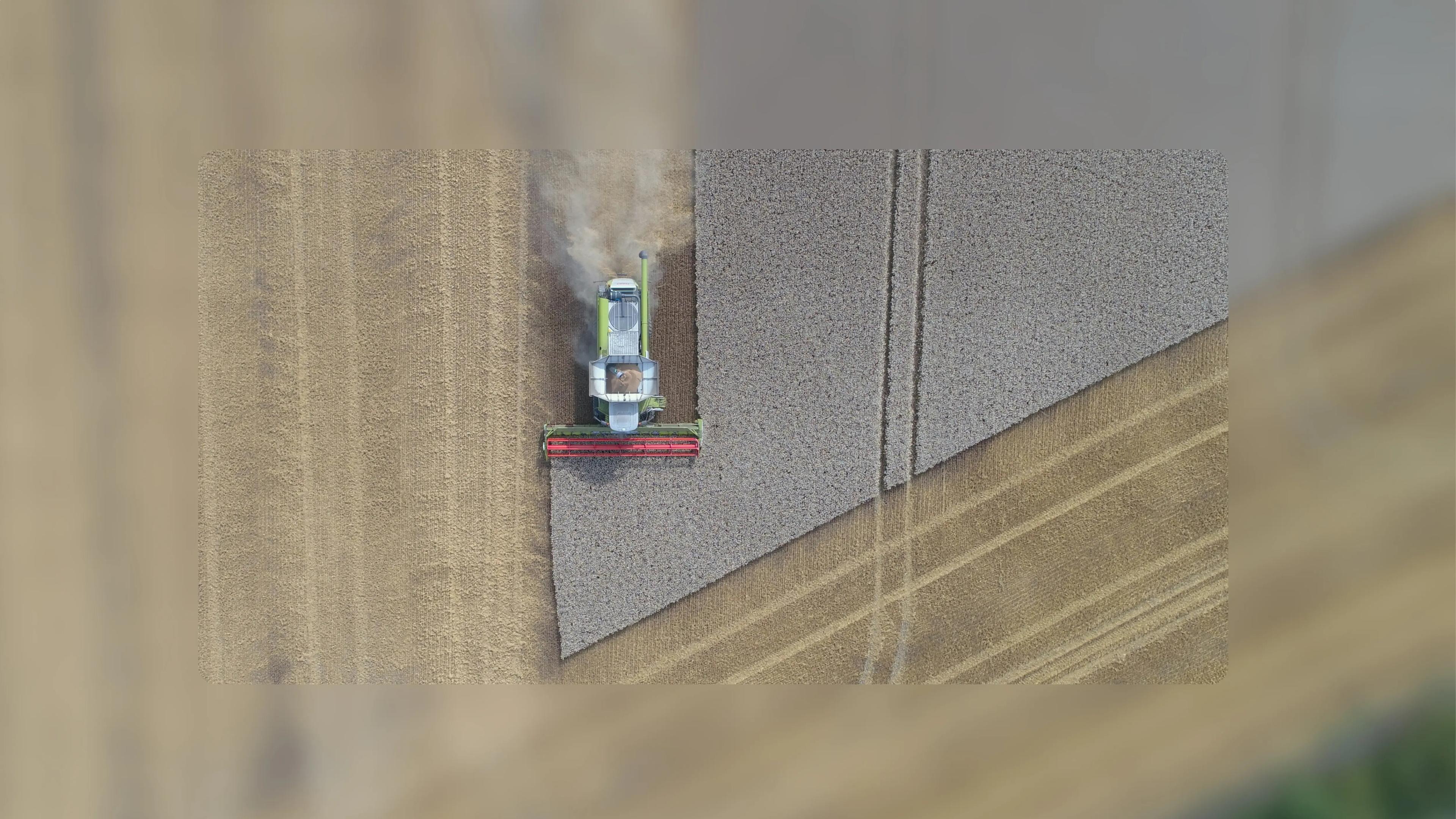
Ag and soft commodity supply chains begin and break where crops are grown and harvested. That origin - the first mile - creates most of the risk and value for coffee, cocoa, palm oil and similar commodities. Until recently, it was too remote, fragmented and costly to measure at scale, so sourcing decisions relied on lagging proxies and assumptions. That gap lets weather and climate volatility, soil decline and land-use change reshape production long before buyers see the effects.
The business problem
When visibility thins at the first-mile, lead time disappears. Procurement loses optionality, commercial teams face sudden exposure to price swings and shortages and operations scramble to protect supply continuity. At the same time traceability and decarbonization expectations are rising, requiring auditable evidence of conditions and practices at origin. Without timely, defensible first-mile data, teams are forced to react under pressure rather than manage risk proactively.
What modern first-mile intelligence delivers
Advances in satellite and sensor data, cloud compute and AI now make near real-time, plot-level insight practical and affordable. When those signals are combined with land records and compliance inputs they become structured, quant-ready datasets for procurement, trading and risk systems. Typical outputs include in-season yield forecasts that update as conditions evolve and early production-area intelligence that reveals planting and acreage weeks or months before traditional reports.
How this secures supply
First-mile intelligence delivers practical benefits:
- Better lead time for sourcing. Early yield and production signals let teams rebalance exposure, accelerate alternative sourcing or execute forward buying with confidence.
- Lower operational risk. Local drivers of instability such as water stress or pest outbreaks are surfaced early so logistics and operations can plan for variability.
- Stronger traceability and decarbonization claims. Plot-level, auditable records of practices and land tenure underpin credible sourcing programs and regulatory compliance.
- Commercial value from regenerative sourcing. Identifying where regenerative practices improve soil health and yield stability lets buyers design contracts that reward performance, share upside and reduce longer-term production cost and supply.
Make first-mile data core business infrastructure
To be useful, first-mile data must be discoverable, understandable and trustworthy - and ideally formatted for direct ingestion into enterprise workflows. This first-mile data can be integrated with procurement systems to shape procurement activity, like hedging. It can also be integrated in supply chain risk systems to show where alternative sourcing locations or changing farming practices can drive better availability.
A practical next step
Start by mapping the material commodity risks in your supply chain. Do you have an outsized reliance on a number of commodities? Then examine the sourcing decisions for those that would change with better lead time and the specific signals you need. Pilot those signals in a focused geography or commodity, validate accuracy against known outcomes, then integrate the outputs into procurement and risk systems. Embedding first-mile intelligence into everyday decision-making moves teams from reactive firefighting to proactive resilience building.
Securing ag and soft commodity supply chains starts at the place where assets originate. First-mile visibility is no longer optional. It is infrastructure that gives organizations the foresight to act before disruption, meet traceability and decarbonization expectations and protect margins and relationships.
You can find the article here.