Thought Leadership
Risk and Resilience in Southeast Asia’s commodity heartland
1 December 2025
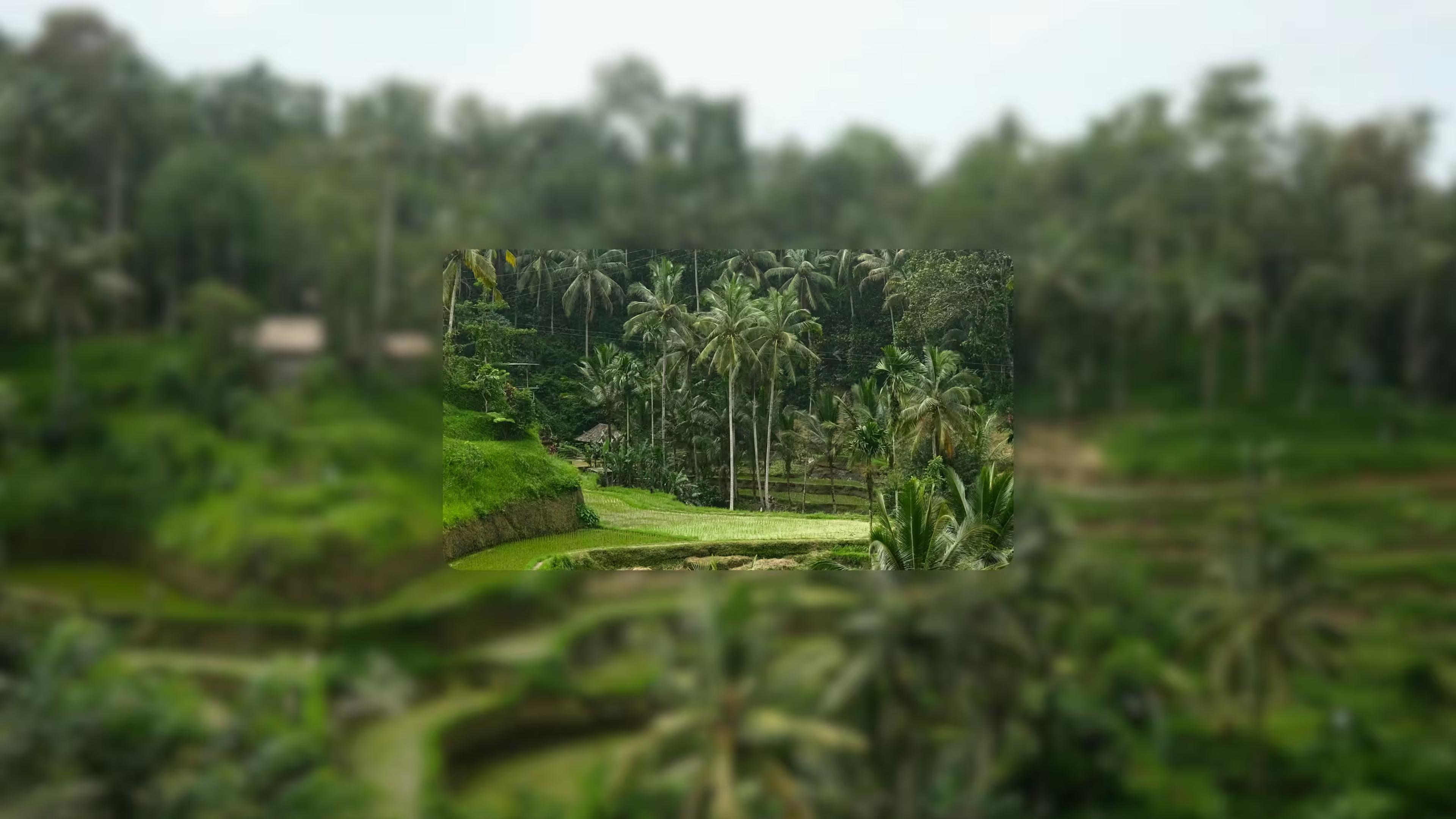
Southeast Asia sits at the origin of many of the world’s most important soft commodities. It is also on the front line of tightening regulation, weather & climate volatility and price shocks.
The Treefera team traveled to Singapore this past month for the Asia Pacific Agri-Food Innovation Summit. We sat down with Treefera’s Head of Partnerships, Simon Constance, to hear about what he heard from senior leaders in the region and how first mile visibility can close the risk and resilience gap.
Q: Why is Southeast Asia so central to global commodity risk?
Simon: We often default to thinking of the US, Europe and Russia as the breadbasket of the world because of crops like wheat. But Southeast Asia is the rubber, sugar, palm oil and rice basket of the world. The rest of the world relies on those commodities in all sorts of different industries - from Pharma to CPG – so what happens there has direct consequences for product prices, availability and food security worldwide.
Q: What pressures are supply chain leaders feeling most acutely?
Simon: Regulation from Europe and the US is now flowing down the chain to producers who are often not equipped to handle the data they are being asked for. Weather & climate volatility is making yields far more uncertain than they were 10 or 20 years ago. At the same time buyers are trying to manage a much more volatile pricing environment and secure a fair price for both sides. Managing that mix of regulatory, weather and price risk demands new information and new tools.
Q: How are producers thinking about farm level productivity and regenerative practices?
Simon: There is a clear recognition that you cannot just keep pumping the system full of fertiliser and expect it to work, so there is a strong push toward regenerative agriculture. The hurdle is not intent, it is execution. Farmers need access to practical knowledge on new practices, financing that can absorb a year or two of lower yields during the transition and trusted local partners who speak the language and stay close to farms over time. Without that combination it is very hard for farmers to believe that in three years their world will be better, not worse.
Q: Where do you see the biggest blind spots in how the market is thinking about resilience?
Simon: The scale of the challenge is still underestimated. The work that consumer goods companies, producers and aggregators are doing is important, but it is still a drop in the ocean compared with the amount of farm level outreach required and the labour needed to run programmes at scale. You also see the secondary effects of weather & climate volatility, with people walking away from land that has been farmed for generations because it is simply too hard to make money. That quiet loss of productive capacity is a real risk for the region and for the companies that source from it.
Q: Where does technology genuinely move the dial on risk and resilience?
Simon: There is a lot of interesting technology focused on soil health and crop monitoring, from scanners that map soil composition to drones that track crop health and pests. For Treefera the critical role of technology is making opportunities visible at the first mile in a way that is verifiable, repeatable and trusted.
Treefera combines satellite data, advanced remote sensing and AI into a single data fabric designed to see change over time at plot level. Instead of relying on limited field visits or one off surveys, supply chain leaders gain access to continuous, high coverage observations that can be tied directly to specific farms, suppliers and sourcing regions. Those insights are delivered through apps and APIs so they sit inside the workflows that procurement, risk, commercial and finance teams already use. That matters because it turns what has historically been qualitative or anecdotal into something measurable. Productivity, exposure and physical risk can be quantified in a common language, across commodities and across regions.
With that level of visibility, companies are better able to identify where operational risks are emerging, where investments will have the greatest impact and which suppliers or landscapes may be vulnerable to weather & climate volatility. The same data helps support compliance needs, reduce uncertainty in reporting and strengthen applications for financing by grounding decisions in defensible, independently verifiable information.
Better first mile visibility does not push companies toward any particular strategy. It simply gives them the clarity and confidence to act before risks become costly and to build supply chains that are more resilient, more predictable and better aligned with the realities of global demand and food security.